
Light of the Goddess Tarot Deck Review
Creators: Mafalda Serrano
Publisher: Self Published 2009
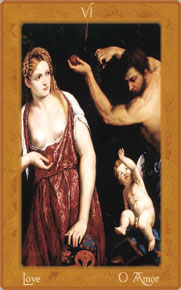
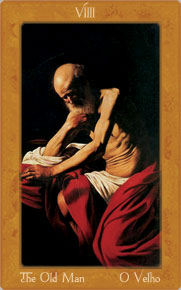
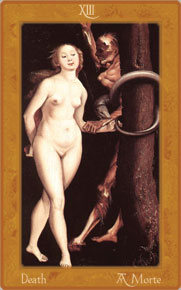
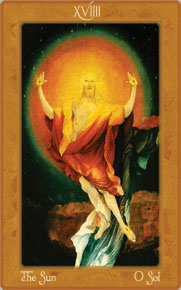
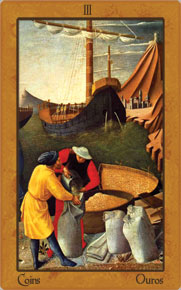
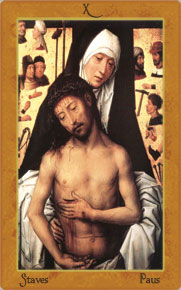
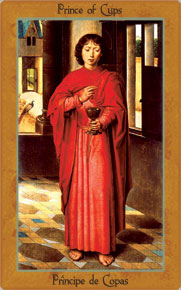
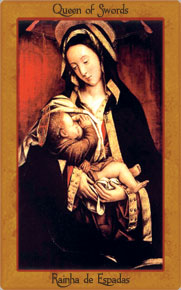
The Light of the Goddess Tarot (previously the LuminaDivinae ArTarot) follows the Tarot of Marseilles structure, but with illustrated minor arcana. The 78 cards feature selections of art from the great masters, from the Middle Ages to the Renaissance, which are not collaged. Now self-published in a deluxe card and book set.
Retailers
This deck is rare or out of print and isn't easy to find. Search for it on eBay or Amazon.com, or browse our most popular Tarot decks.Light of the Goddess Tarot Review by Mafalda Serrano
Thoughts on the Light of the Goddess Tarot by author, Mafalda Serrano
Art History and Tarot wisdom tell us that every image has a secret voice. The major gift of meditative reading is the unveiling of our most intimate inner nature. Several authors and international researchers have been touched by the invaluable speech and the transformational power of images and myth.
The essence of Tarot narrative seems to be deeply connected to the ageless process of drawing signs and building metaphors. This revised set is a natural consequence of my personal belief, because my experience in image reading is mostly rooted in the act of imaging, sketching and recreating links between signs and symbols through meditation techniques. In some sense, I conceived this deck as a visual alphabet and an empowering key to the realms of the unconscious mind, joining my interpretation of the Judaeo-Christian and the kabbalistic heritage with the legacy of European Renaissance.
Every child loves coloured papers and scissors. I used to clip everything I could, including old figures and photographs, the perfect characters of my small paper theatres. A few years later, the long drawers of my home office seemed to be a sort of inspiring magic factory inhabited by these nameless reproductions of old postcards and sliced magazines; sketches whose symbolic value was always flourishing with every new free association. I started isolating and collecting images very early and this home practice was an important contribution for the first version of this deck, once called LuminaDivinae Art & Tarot.
My further researches in the fields of visual symbolism and Jungian psychology have been also shaping my creative work in communication and graphic Design. I started presenting radio programs about ancient and contemporary arts in the 90’s and this helped me to develop an intuitive method of image reading through the use of visual forms and multicultural narratives. Since college I am deeply interested in assemblage, what led me to compose some series of collaged books under the concepts of personal archive and the experience of time.
These preliminary words may be helpful to the understanding of this divinatory set composed with a double face function oriented to the practice of divination and the study of art. Being a true art inspired work, the 78 original images of the cards were never changed by collage. In fact, the main purpose of the deck is the celebration of Renaissance Art and the history of Tarot in their own nature because several forms of image reading were common cultural practices among the Italian Courts of 15th - 17th Centuries.
In order to respect this historical legacy, every artwork was digitally restored by me; reframed and combined to compose an independent set of reciprocal visual signs, according to Tarot symbolism. Some cards may show the whole artwork, while others will cover a special outline or a significant detail. Majors and Minors are coloured and numbered according to the European Tarot de Marseille to suit both experienced readers and beginners.
The Iberian Peninsula - Portugal and Spain - was occupied by Arabian conquerors. Jewish people and Muslims left the Finisterra – i.e. the last land – or were forced to convert to Christian rules after the expulsion of late 14th Century. From early times, Europe was deeply enriched by the kabbalistic wisdom, Christian and Eastern contributions, absorbing Greek and Roman myths and culture. The Majors, Courts and Minors of the deck present sacred and profane elements in close proximity. The multicultural atmosphere that gave birth to Modern Age may inspire us today, in times of new challenges and global change.
Renaissance masters were profoundly skilled in religious art and portrait. Their aim was both oriented toward the spiritual and earthy levels of existence. It is commonly known that early Italian decks had no numbers attached to Majors, but this would amplify enormously the difficulty of readings for beginners. So, I use the traditional Latin characters according to the historical paintings that inspire the deck.
Renaissance scholars were also attracted by alchemy, astrology and some other mystery schools of ancient knowledge as the above mentioned kabbalistic overviews. In order to celebrate this common legacy of the Mediterranean basin, the deck was finally revised for printing, following my personal view of the spiritual science of letters and numbers. Deck and correspondent companion book are now self-published in a first limited edition under the designation of The Light of the Goddess Tarot Set.
Major Arcanes use the following designations - both in English and Portuguese inscriptions - with Roman numbers. The basic structure is mostly inspired by ancient Italian decks adopting the traditional scheme of the European Tarot de Marseille:
I – The Magician
II – The Popess
III – The Empress
IV – The Emperor
V – The Pope
VI – Love
VII – The Triumphal Car
VIII – Justice
IX – The Old Man
X – The Wheel of Fortune
XI – Strength
XII – The Hanged Man
XIII – Death
XIV – Temperance
XV – The Devil
XVI – The Tower
XVII – The Star
XVIII – The Moon
XIX – The Sun
XX – The Angel
XXI – The World
XXII – The Fool
The four Suits of Minor Arcanes and Numbered Cards are structured to fit the concept of four complimentary Reigns, or dominant houses following the historical inspiration of most Renaissance empowered families that commissioned some of the first decks. Court Cards are designed to bridge some mythical archetypes with the spiritual inspiration provided by Christian art upon Renaissance individuals.
House of Batons, House of Swords, House of Cups, House of Coins
The four Suits are inhabited by four groups of Court Cards:
Kings, Queens, Princes, (for traditional Knights) Princesses (for traditional Pages)
The meanings for Courts and the Numbered Cards derive from traditional Pythagorean numerology in close proximity with the symbology of Majors. There are no strict correlations with the traditional symbolism of the four elements or kabbalistic letters in this deck because the innate visual nature of the images will suggest some immediate associations to the contemporary Tarot reader.
The *Deluxe Version* uses traditional printing techniques, high quality paper and transparent ink to respect the gorgeous colors of Renaissance art, culture and inspiration. The deck has seventy-eight illustrated cards, with two additional ones for general presentation and personal dedication. The first limited edition of the Set is sold with a transparent Tarot bag and a velvet cloth for spreads. The companion book features five complimentary chapters about Renaissance Art and Culture and the influence of ancient Greece and Rome into the Western World; the history of playing Cards and divining in the Mediterranean basin and Portugal during the 15th-16th Centuries; unique spreads with divinatory meanings and explanations for the cards; insights about comparative mythology, image reading and meditation. This is an inspirational and educational medium size deck (80x120mm) designed for the history of art student and the historical Tarot collectionner: the set is meant to be an invitation to the daily experience of ancient art, myth and Tarot wisdom.
Complete Details of Light of the Goddess Tarot
Creators: Mafalda SerranoPublisher: Self Published 2009
Deck Type: Tarot Deck
Cards: 78
Major Arcana: 22
Minor Arcana: 56
Rating: 16/20 or
 stars out of five
Similar Decks to Light of the Goddess Tarot
Theme: Historical
< Previous Deck · Back to Top · Next Deck >
Home > Tarot Reviews > Light of the Goddess Tarot Review
